
Branding & Marketing
Beyond Apple: How Samsung Is Redefining Its Brand Identity
Samsung built recognition by positioning itself against Apple. As its own product decisions began to overlap with its competitor, the company shifted toward a brand identity built on its own technology and values.
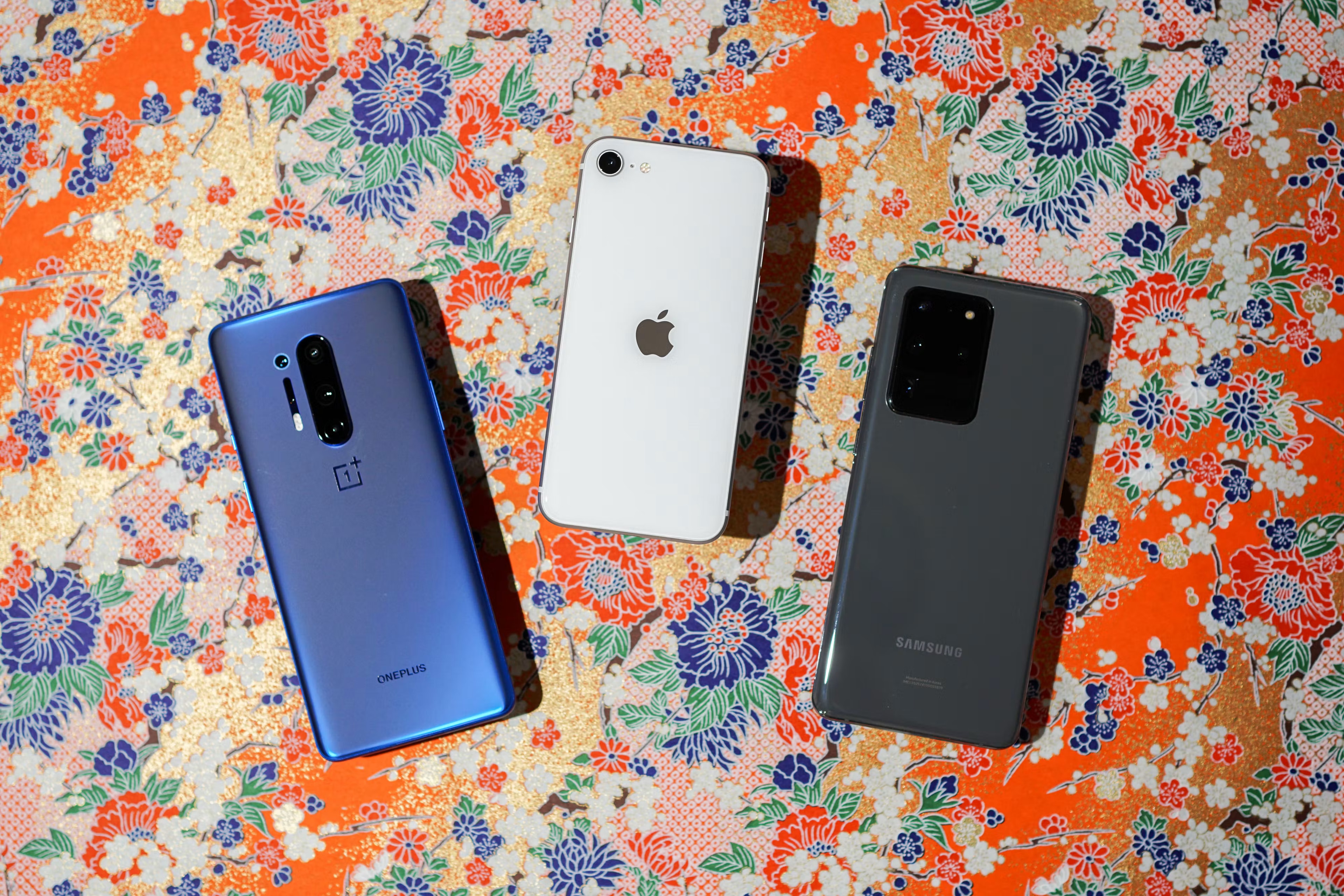
For years, Samsung used Apple's iPhone as the punchline in advertisements promoting its Galaxy smartphones. Commercials mocked Apple's missing headphone jack, limited customization and other product decisions, positioning Samsung as the alternative for consumers who wanted something different.
Today, Samsung's marketing also emphasizes its own technology, partnerships and brand values rather than relying exclusively on comparisons with Apple.
The evolution illustrates an important branding challenge: A company can build recognition by distinguishing itself from a competitor, but maintaining that identity becomes more complicated when its products and business decisions begin to overlap. Samsung's advertising history offers a case study in how established brands communicate what makes them different.
Building a Brand Around Being Different
Samsung's rivalry with Apple became a recurring theme in its smartphone advertising during the 2010s.
In November 2017, Samsung released its "Growing Up" commercial, following an iPhone customer through years of frustrations before showing him switching to a Galaxy smartphone. The advertisement emphasized Samsung's advantages, including wireless charging, stylus support and the continued availability of a headphone jack.
According to MacRumors, the commercial accompanied the iPhone X launch and promoted the Galaxy Note 8.
The approach relied on comparative advertising, a strategy that highlights differences between competing products to influence consumer preferences.
Samsung expanded this approach through its 2018 "Ingenious" campaign. The advertisements depicted fictional Apple Store employees struggling to explain iPhone limitations while customers questioned features available on Samsung devices.
As MacRumors reported, the campaign criticized Apple's headphone-jack removal, charging accessories and camera capabilities.
Through these campaigns, Samsung promoted its products while repeatedly presenting Apple as the standard against which they should be judged.
When Competitive Marketing Creates Contradictions
Defining a brand through a competitor's weaknesses becomes more complicated when those same decisions eventually appear in its own products.
Apple removed the traditional headphone jack from the iPhone 7 in 2016. Samsung continued criticizing that decision through advertisements before introducing the Galaxy Note 10 without the connection in August 2019.
In August 2019, MacRumors and Android Authority reported that Samsung had removed advertisements criticizing Apple's headphone-jack decision from its main YouTube channels. The removals drew attention because Samsung had previously promoted the headphone jack as an advantage over the iPhone. Neither report establishes Samsung's internal reasons for removing the commercials.
The contradiction also became part of a larger public discussion about Samsung's marketing. In a February 2022 Reddit discussion, users criticized the company for mocking Apple's decisions before making similar changes. Other commenters argued that companies routinely follow industry trends or that marketing and product development operate under different priorities.
These reactions reveal differing interpretations of Samsung's advertising strategy, although individual Reddit comments cannot establish broader consumer sentiment or changes in purchasing behavior.
A similar sequence occurred with charging accessories. Apple excluded power adapters from the iPhone 12 packaging in 2020, citing environmental considerations. Samsung subsequently introduced the Galaxy S21 series without an included charging adapter.
The pattern illustrates a limitation of comparative advertising: When a brand establishes its identity around another company's shortcomings, its own future product decisions can invite scrutiny of earlier marketing claims.
Establishing an Identity Beyond the Rivalry
Samsung's more recent marketing provides examples of a different approach.
In July 2024, the company partnered with K-pop group TOMORROW X TOGETHER to release "Open Always Wins," a Galaxy brand anthem emphasizing openness, personal ambition and creativity.
According to Samsung's official announcement, the campaign reflected the company's stated brand values rather than focusing on Apple's shortcomings.
Samsung incorporated athletes into the campaign's music video, connecting the message of openness with athletic ambition and the company's Olympic partnerships.
The company has also placed greater emphasis on its own technology, including Galaxy AI, foldable devices and camera capabilities, in its product marketing.
These campaigns show Samsung presenting an identity built around what its products and partnerships offer rather than solely what competing products lack.
The transition is not absolute. Samsung has continued releasing advertisements criticizing Apple, particularly around foldable smartphones. Its broader campaigns nevertheless demonstrate how competitor comparisons can coexist with independent brand messaging.
A Brand Identity Beyond Competition
Samsung's advertising history demonstrates the difference between competing for attention and developing a recognizable identity.
Its earlier campaigns established distinctions through direct comparisons. More recent initiatives emphasize Galaxy's technology, openness and consumer experiences without always requiring Apple to appear in the message.
For additional information, readers can examine Samsung's current campaigns through the Samsung Global Newsroom and review historical advertising coverage from technology publications.
The continuing rivalry shows that building an independent identity does not require abandoning competition. It changes how a company explains its value to consumers.
Apple iPhone SE models and Samsung Galaxy A04s. Photo by Captainmorlypogi1959. Source: Wikimedia Commons. Licensed under CC BY-SA 4.0.

Continue reading
REALXART Insights
Stay Ahead of the Narrative.
Explore the stories, controversies and communications decisions shaping public perception. Get REALXART's latest reporting, case studies and analysis delivered to your inbox.